
Cultural
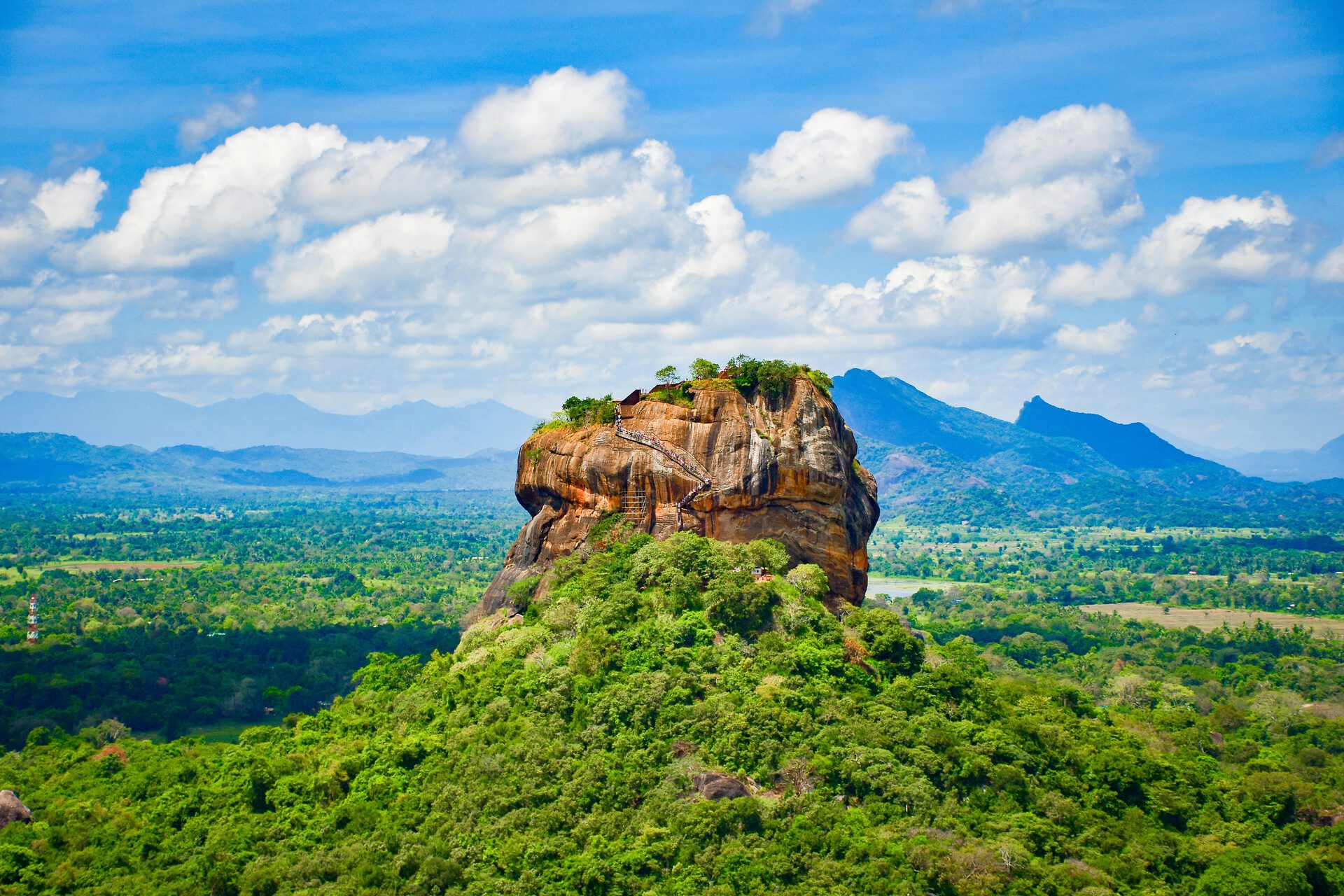
Sigiriya
Lion Rock Fortress
UNESCO World Heritage1 – 2 days

Explore Your Destination · Sri Lanka

ST. JOHN
Tours · Sri Lanka
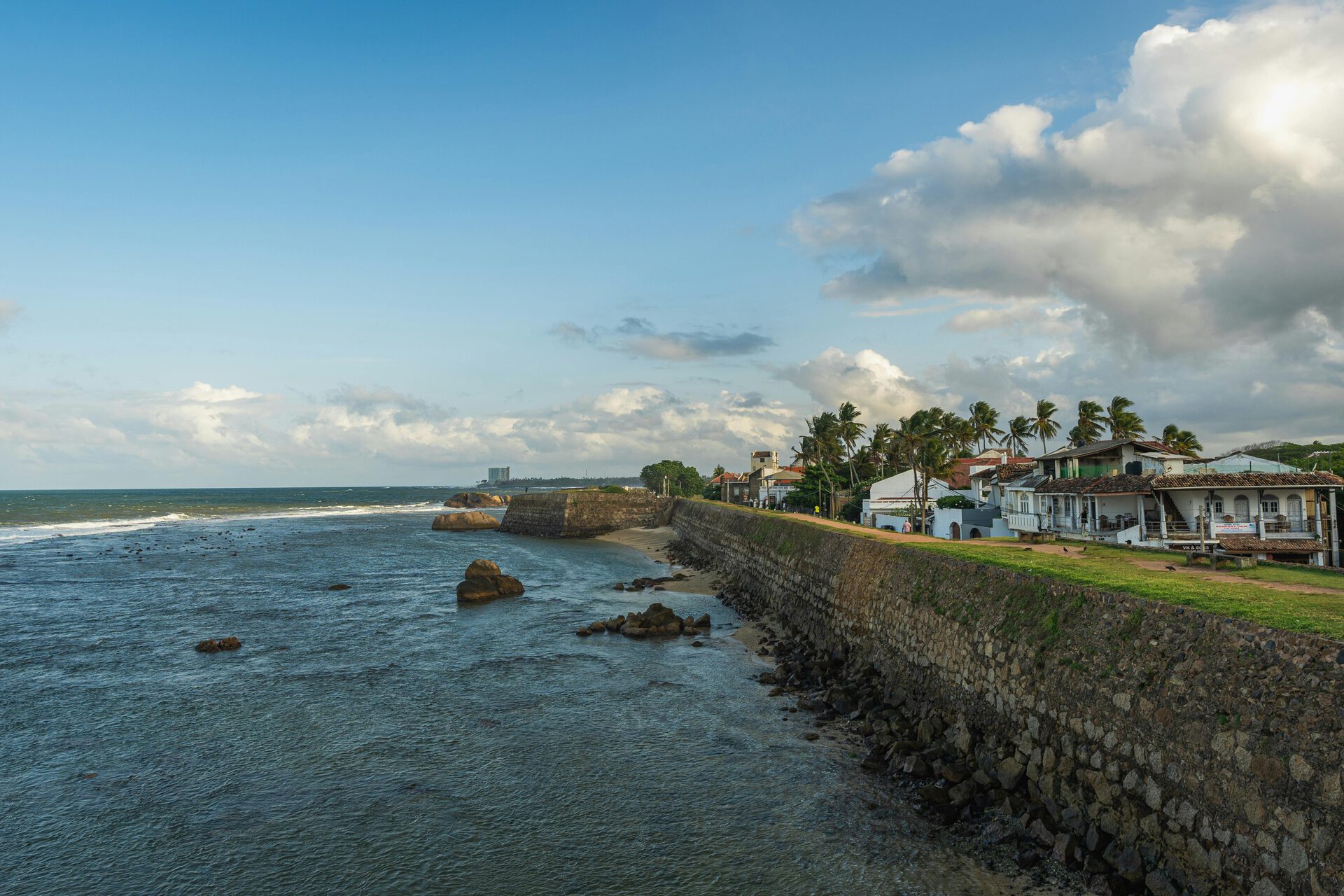
A Dutch fort city where history meets the Indian Ocean.
Galle
Colonial Coastal Gem
Galle Fort is one of the best-preserved colonial sea fortifications in Asia — a UNESCO World Heritage Site where Dutch-built ramparts, cobbled streets, and 17th-century churches coexist with boutique hotels, artisan galleries, and excellent cafés, all washed by the warm Indian Ocean.
Expert Local Guided Tours
St. John Tours · Since 2010
Reg. WP/GAM/T/00019 · Sri Lanka Tourism Authority
Galle Fort occupies the southwestern tip of Sri Lanka's southern coast, a promontory of about 52 hectares enclosed within massive coral stone walls built by the Portuguese in 1588 and massively expanded by the Dutch East India Company (VOC) between 1663 and 1729. The resulting fortification — complete with bastions, gate towers, a lighthouse, and a grid of cobbled streets lined with colonial buildings — is the largest remaining European-built fort in Asia outside Batavia (Jakarta) and is considered one of the finest examples of European colonial architecture fused with South Asian building traditions.
Walking the ramparts is Galle's signature experience. The old walls, up to 3 metres thick and commanding sweeping views of the Indian Ocean on three sides, form a circuit of roughly 1.5 km. Crows surf the thermal currents rising off the stone; fishing boats drift below; and at sunset, the sky turns every shade of gold and crimson as the sun drops into the sea beyond the western bastions. The lighthouse at the far end of the promontory, still operational, dates from 1848.
Inside the Fort, the street grid laid out by the Dutch in the 17th century remains intact: Church Street, Leyn Baan Street, Middle Street, and Pedlar Street are lined with double-storey Dutch colonial townhouses — thick walls, high-pitched roofs, inner courtyards — many now converted into boutique hotels, art galleries, jewellers working in local gemstones, textile studios, and some of Sri Lanka's finest restaurants. The Dutch Reformed Church (1755), still holding regular services, contains tombstones of VOC officers and their families inlaid in the floor. The National Museum houses colonial artefacts, lace-work, and carved ivory.
Beyond the Fort walls, the wider Galle town is a busy, authentic Sri Lankan city — but within the Fort itself, a different rhythm prevails. This is a place to wander without agenda: to duck into an archway and find a garden courtyard; to follow the smell of cinnamon to a spice shop three generations in the same family; to watch a craftsman setting a blue sapphire under a loupe; to order a short eats and lime juice at a pavement café and watch the afternoon pass.
Galle rewards every visitor differently. Here are the defining experiences our guides will help you see, feel, and understand.
A 1.5 km circuit of Dutch-built coral stone walls up to 3 m thick, offering sweeping Indian Ocean views. Sunset here is among Sri Lanka's most spectacular experiences.
The oldest Protestant church in Sri Lanka, with original Dutch colonial architecture and tombstones of VOC officers inlaid in the floor — a direct link to the 17th-century spice trade era.
Built in 1848 on the southwestern bastion, the working lighthouse is a defining landmark of the Fort skyline and a favourite late-afternoon photography spot.
Inside the Fort, this small colonial museum documents Galle's Portuguese, Dutch, and British periods with historical artefacts, lace-making tools, and carved ivory objects.
Middle Street, Pedlar Street, and Church Street are lined with artisan studios, gemstone jewellers, handloom textile boutiques, independent galleries, and outstanding restaurants.
A 5-minute tuk-tuk ride from the Fort brings you to a secluded cove with calm water, coral reef, and excellent snorkelling — one of the best near the city.
Enter the Fort through the Main Gate — the archway bearing the Dutch VOC monogram and the date 1669 is the original entrance.
The rampart walk is best done at sunrise (fewer people, cooler) or at sunset (spectacular light and sea colour).
Most Fort hotels allow non-guests to enjoy sunset cocktails on their terraces — a wonderful way to experience the sunset from height.
Cricket fans: Galle International Stadium, built against the Fort wall, hosts Test matches with the ramparts as a backdrop — one of the world's most scenic cricket grounds.
Galle's streets are best explored on foot; tuk-tuks are useful to reach the beach or taxi to Unawatuna (5 min) and Mirissa (45 min).
The southwest monsoon (May–October) makes the sea rough and swimming inadvisable; visit November–April for the best conditions.
Start Planning
Tell us your travel dates and preferences. Our local experts will build a bespoke, day-by-day Galle itinerary — at no cost and with no obligation.