
Nature
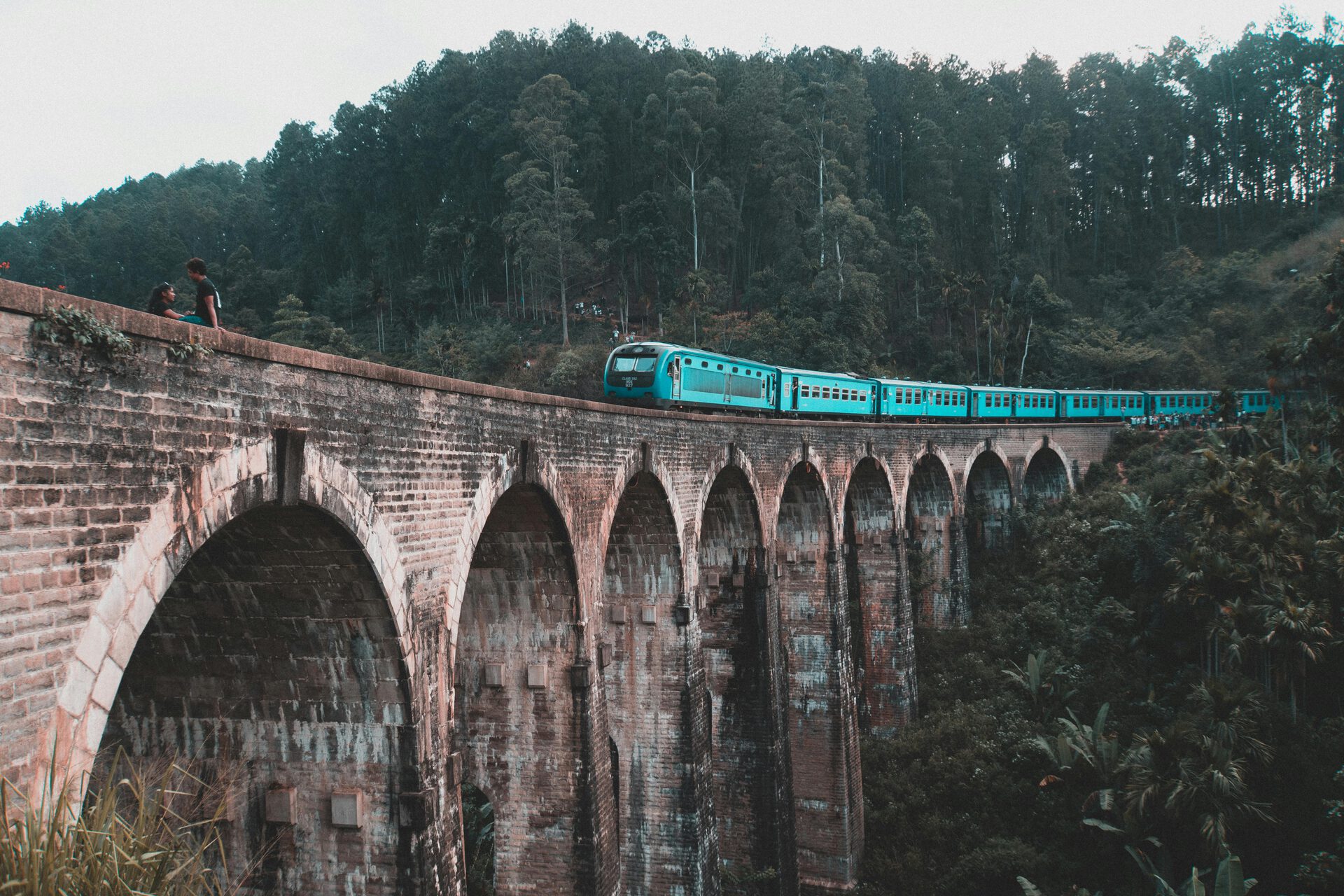
Ella
The Highland Escape
Tea Country2 – 3 days

Explore Your Destination · Sri Lanka

ST. JOHN
Tours · Sri Lanka
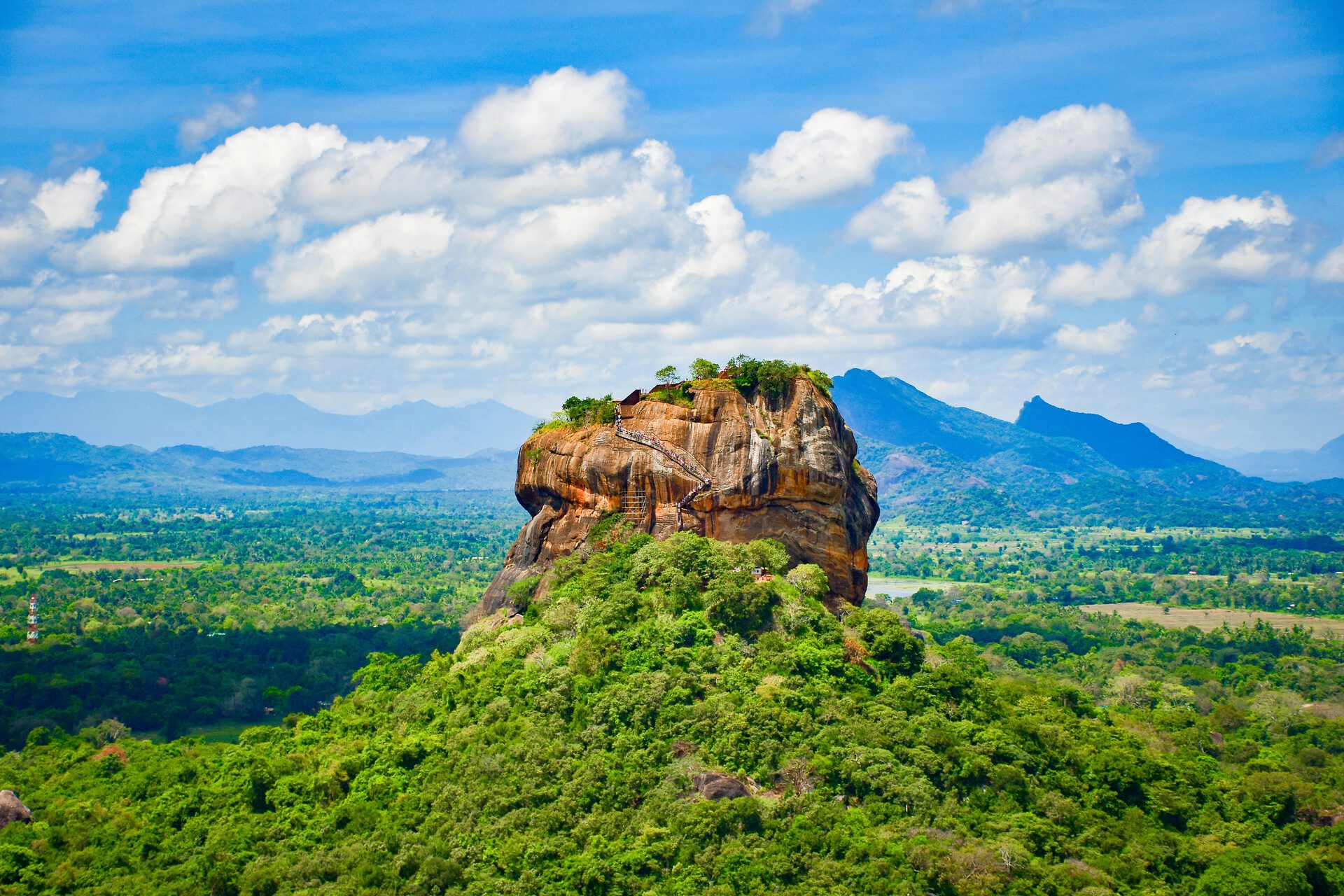
Scale the sky-touching citadel of an ancient king.
Sigiriya
Lion Rock Fortress
A 200-metre volcanic plug crowned by a 5th-century palace, Sigiriya is one of Asia's most spectacular archaeological sites. Scaling its ancient stairways rewards you with panoramic jungle views and a glimpse into the ambitions of a forgotten king.
Expert Local Guided Tours
St. John Tours · Since 2010
Reg. WP/GAM/T/00019 · Sri Lanka Tourism Authority
Sigiriya — meaning 'Lion Rock' in Sinhalese — was built between 477 and 495 CE by King Kashyapa I, who chose this dramatic rock pinnacle as the site of his royal citadel after usurping the throne from his father. He transformed the 200-metre volcanic inselberg into a fortress-palace of extraordinary complexity, complete with water gardens, mirror walls, and frescoed galleries.
The climb to the summit unfolds in stages, each revealing a new layer of ingenuity. The lower terraced gardens are considered among the oldest surviving landscaped gardens in the world, fed by a sophisticated hydraulic system that still functions during the rains. The famous Mirror Wall, once polished to such a sheen that the king could see his reflection, is covered in ancient graffiti — poems and observations inscribed by visitors between the 6th and 14th centuries.
Halfway up, sheltered beneath a natural overhang, are the Sigiriya Damsels — a series of exquisite frescoes depicting celestial maidens. Originally around 500 paintings are believed to have existed; 21 survive today, vibrant in ochre, red, and gold. The final ascent passes through the Lion's Paws — two colossal stone lion feet that once formed the base of an enormous lion gateway — before emerging onto the summit plateau where Kashyapa's palace once stood.
The view from the summit is staggering: the Dry Zone jungle stretches to every horizon, punctuated by the pale shimmer of distant reservoirs. Dawn and late afternoon are the ideal times to climb — the light is soft, the temperatures manageable, and the silence almost complete before the tour groups arrive.
Sigiriya rewards every visitor differently. Here are the defining experiences our guides will help you see, feel, and understand.
A UNESCO-listed landscaped garden complex of fountains, streams, and ornamental pools — one of the world's oldest surviving irrigation gardens, still partially functional today.
A hauntingly beautiful gallery of 5th-century paintings of celestial maidens, sheltered in a natural rock cavity halfway up the ascent. Among the finest surviving ancient art in South Asia.
A 3-metre-high polished plaster wall beside the frescoes, covered in ancient verse and commentary inscribed over ten centuries by pilgrims and visitors.
Two enormous carved stone lion paws mark the original entrance gateway — once the base of a full lion sculpture through which visitors entered the final stairway to the summit.
The flat summit (approx. 1.5 ha) bears the foundations of Kashyapa's palace, a throne platform, a cistern carved from bedrock, and commanding 360° views of the Central Province.
A short walk from Sigiriya, Pidurangala offers the best photography angle on Lion Rock, with a reclining Buddha carved into the cave at its base and a rewarding 45-minute hike.
Arrive by 6:30 am for sunrise and to beat the crowds — the site opens at dawn.
Wear light, breathable clothing and bring plenty of water; the climb is strenuous in heat.
Foreign visitor tickets cost ~$30 USD — buy online in advance during peak season.
Hire a certified site guide at the entrance for deeper historical context.
Wasps can be aggressive near the frescoes gallery — do not disturb or wave near the enclosure.
Combine with nearby Dambulla Cave Temples (15 km) and Polonnaruwa ruins (60 km).
Start Planning
Tell us your travel dates and preferences. Our local experts will build a bespoke, day-by-day Sigiriya itinerary — at no cost and with no obligation.