Nature
Ella
The Highland Escape
Tea Country2 – 3 days
Explore Your Destination · Sri Lanka

ST. JOHN
Tours · Sri Lanka
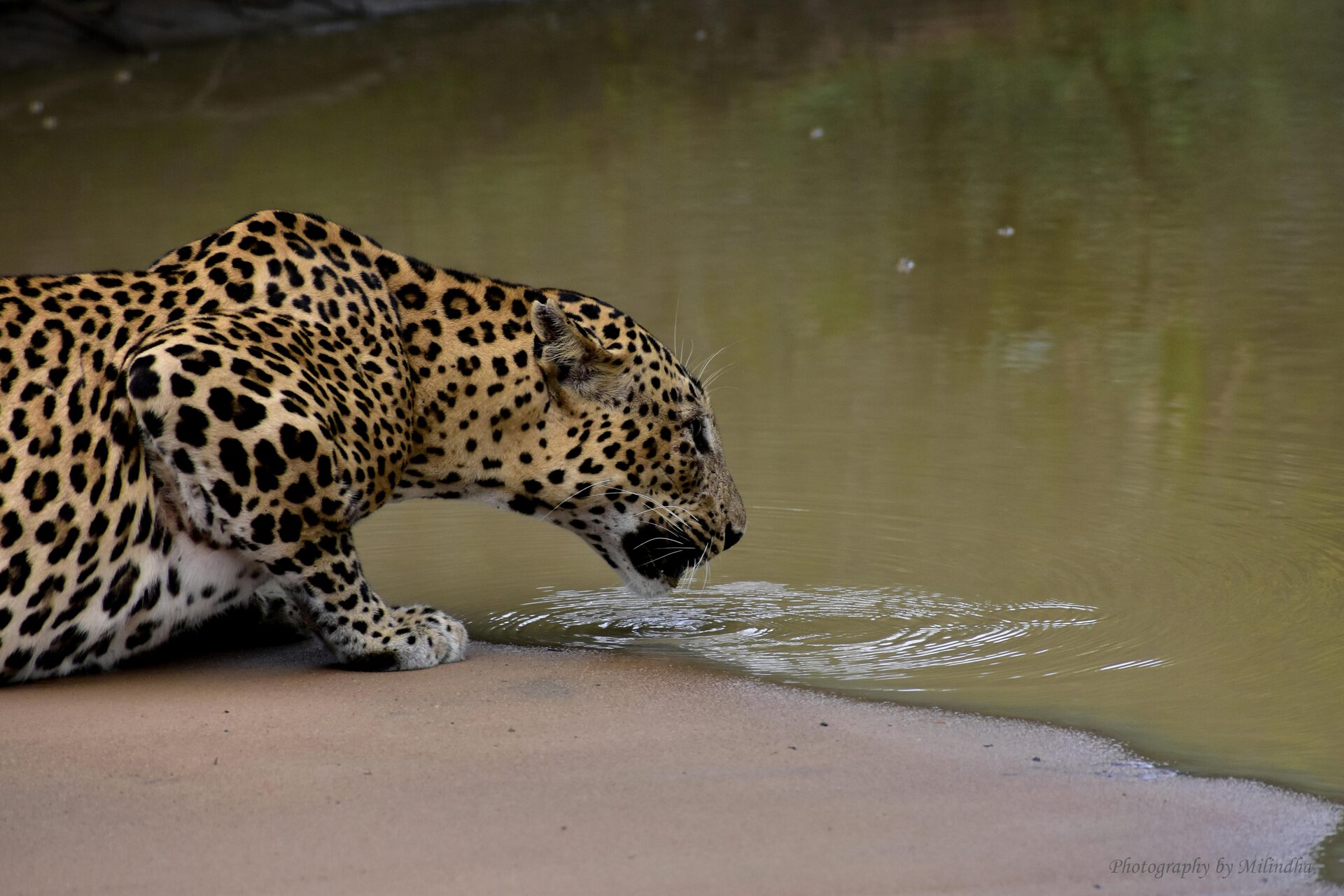
The island's greatest wildlife spectacle — the leopard capital of the world.
Yala
Wild Sri Lanka
Yala National Park is home to the world's highest density of wild leopards and is Sri Lanka's premier wildlife destination. Covering 979 km² of dry scrub jungle, coastal lagoons, and ancient Buddhist ruins, every safari drive here is a genuine encounter with the wild.
Expert Local Guided Tours
St. John Tours · Since 2010
Reg. WP/GAM/T/00019 · Sri Lanka Tourism Authority
Yala National Park — established as a wildlife sanctuary in 1900 and a national park in 1938 — covers 979 km² across the southeastern corner of Sri Lanka, incorporating some of the island's most dramatic and varied landscapes: dense scrub jungle, open plains, lagoons fringed with mangroves, and rocky outcrops that tumble into the Indian Ocean. Block 1, the most accessible and wildlife-rich section, is where most safaris take place.
Yala's defining wildlife encounter is the Sri Lankan leopard (Panthera pardus kotiya) — a subspecies found only on this island. Yala's Block 1 has the highest recorded density of leopards anywhere in the world: approximately 35 individuals in an area of just 141 km². Unlike leopards in Africa, which are largely nocturnal, Sri Lankan leopards are highly active during daylight hours, having evolved as apex predators with no natural rivals on the island. Sightings — often of leopards lounging on rocks in full view — are remarkably frequent compared to any other leopard habitat on earth.
Beyond leopards, Yala supports impressive populations of Asian elephants, Sri Lankan sloth bears, water buffalo, spotted deer, sambar, wild boar, jackals, and saltwater crocodiles. The coastal lagoons are exceptional for birdwatching: painted storks, lesser adjutants, black-necked storks, and large flocks of migrant waders inhabit the water margins. The endemic Sri Lanka junglefowl — the national bird — struts confidently through the scrub.
The park's landscape holds additional surprises: the ancient Sithulpawwa and Magul Maha Viharaya temple complexes — dating to the 2nd century BCE — sit deep within the park, their carved stone dagobas rising unexpectedly from the jungle. Yala is thought to have been a major centre of Buddhism two thousand years before it became a wildlife sanctuary. Safari vehicles pause at these ruins, offering an unusual confluence of archaeology and wildlife.
Yala rewards every visitor differently. Here are the defining experiences our guides will help you see, feel, and understand.
Yala has the world's highest leopard density — up to 1 leopard per 4 km². Sightings in Block 1 are remarkably common, often in full daylight on rocks or open paths.
Large herds of Asian elephants congregate at the park's lagoons and water holes, particularly in the dry season (Feb–Jul), offering dramatic close encounters.
The endangered Sri Lankan sloth bear inhabits Yala's rocky outcrops and is regularly spotted on morning and evening safaris, often foraging or moving between resting spots.
Yala's coastline and lagoons host spectacular birdlife: painted storks, black-necked storks, serpent eagles, and over 215 species including 6 Sri Lanka endemics.
Sithulpawwa and Magul Maha Viharaya — 2,000-year-old Buddhist temple complexes deep within the park — add an unexpected archaeological dimension to every safari.
The lagoons shelter large saltwater crocodiles, particularly around Buttuwa Wewa and the coastal inlets — often seen basking in the morning sun alongside water monitors.
The best leopard sightings are February–April when the dry scrub is lower and animals concentrate near remaining water sources.
Book a private Jeep rather than sharing — it allows your guide to stay longer at sightings and move at your pace.
Depart for your morning safari by 5:30 am — the park gate opens at 6:00 am and early arrivals often catch leopards returning from overnight hunting.
Wear muted, earthy colours (khaki, olive, grey) — bright colours disturb wildlife.
Yala gets very busy on weekends — arrange weekday visits for a more intimate experience.
Stay at a camp on the park boundary (Yala Village, Leopard Trails) for pre-dawn gate access and evening game viewing.
The park is closed annually in September/early October for a 6-week conservation period.
Start Planning
Tell us your travel dates and preferences. Our local experts will build a bespoke, day-by-day Yala itinerary — at no cost and with no obligation.